H2Zero connects vehicle data, energy concepts and technical review: understand the asset, test augmentation options, then define monitoring and control.
01UnderstandVehicle, route, load and energy context
02AugmentSolar, hydrogen and waste-heat concepts
03ValidateMonitoring, control and evidence review
The transition challenge
Practical steps while technology develops
Heavy transport operators need practical ways to reduce fuel use and emissions while lower-emissions technologies and infrastructure continue to develop.
Evaluation focus
Vehicle and operating context Route, load, fuel use, CAN-bus signals and environmental conditions.
Energy augmentation concepts Solar-supported hydrogen pathways and larger-scale waste-heat recovery.
Monitoring and control evaluation Evidence, load-linked H₂ regulation, safety boundaries and next steps.
Operational context
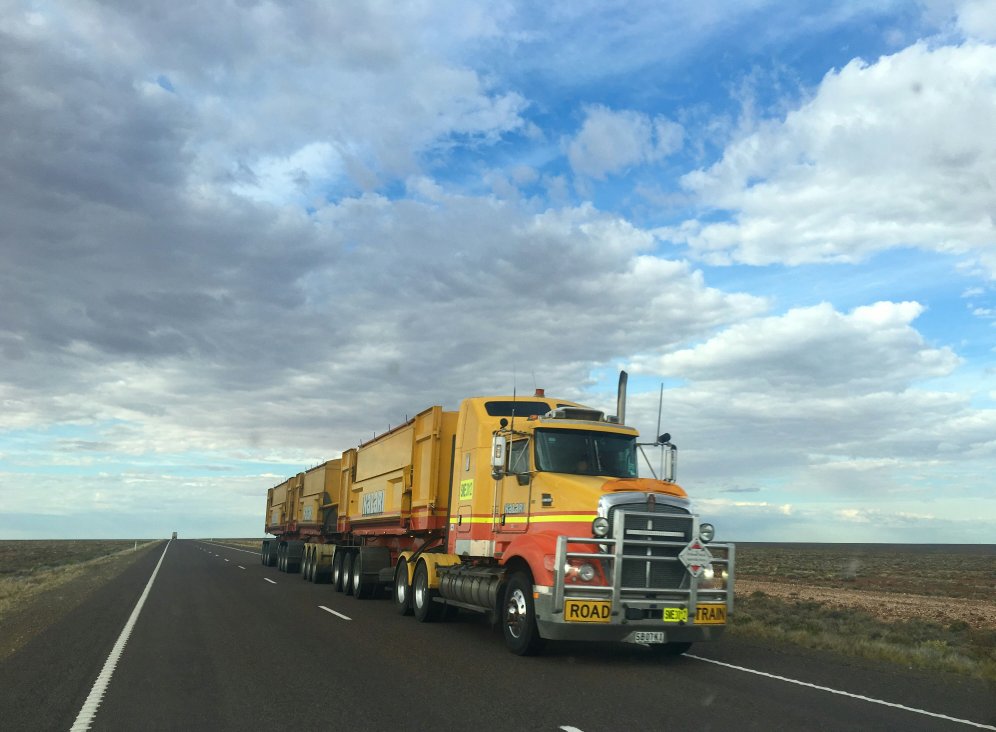
Operational context starts with the route
Route, distance, load and operating conditions shape the evidence needed for practical decisions.
Route, load and duty-cycle data
Vehicle and operating conditions
Evidence-led next-step planning
Evaluation role
Augmentation and monitoring evaluation
H2Zero is evaluating how Senza products and related energy systems could fit project-specific augmentation and monitoring pathways.
Energy-neutral installation concepts
Augmentation may include solar generation mounted to a vehicle roof to support a hydrogen pathway, with the energy balance, packaging, duty cycle, safety requirements and operating conditions assessed for the specific vehicle and use case.
Larger-scale energy recovery
For larger systems, augmentation may include waste-heat-to-energy concepts that recover otherwise unused heat and direct it toward site energy needs. The useful scale, integration method and net benefit require engineering assessment.
Vehicle CAN-bus operating context
Where access is available and appropriate, monitoring may include engine load, engine speed, vehicle speed, throttle position, fuel rate, coolant and oil temperature, intake-air and exhaust temperature, battery or alternator voltage, ambient conditions and diagnostic fault states. Vehicle interfaces, signal quality and lawful data access require confirmation.
Load-linked H₂ production control
One control-system consideration is regulating H₂ production or availability against vehicle load and operating state, rather than treating production as a fixed output. Control logic, ramp rates, pressure and temperature limits, interlocks and safe shutdown behaviour require specialist engineering, validation and compliance review.
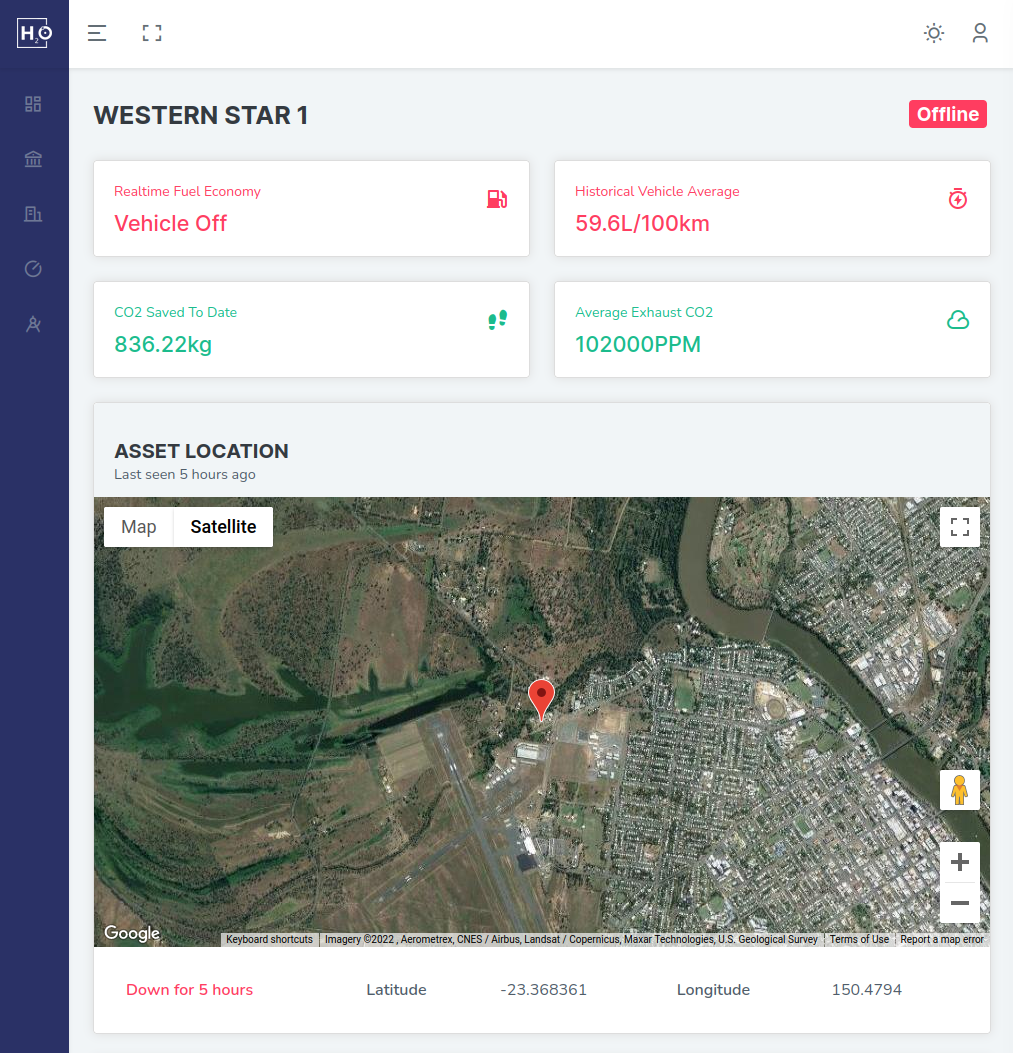
Monitoring evaluation: H2Zero may examine energy input, hydrogen production, operating conditions, fuel use, emissions-related indicators, system availability and data quality. These are evaluation areas, not claims of installed systems, product performance or guaranteed outcomes.
Equipment context
When evaluation meets equipment
Evaluation connects operational questions with the equipment, controls and integration requirements that shape a workable solution.
Next step: technical, commercial and compliance decisions follow project-specific engineering review.
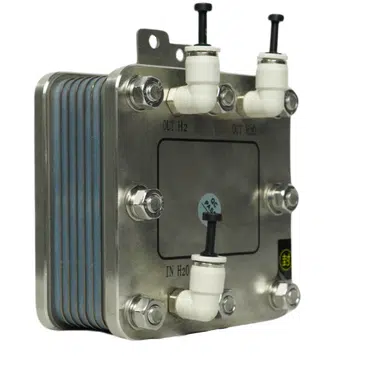
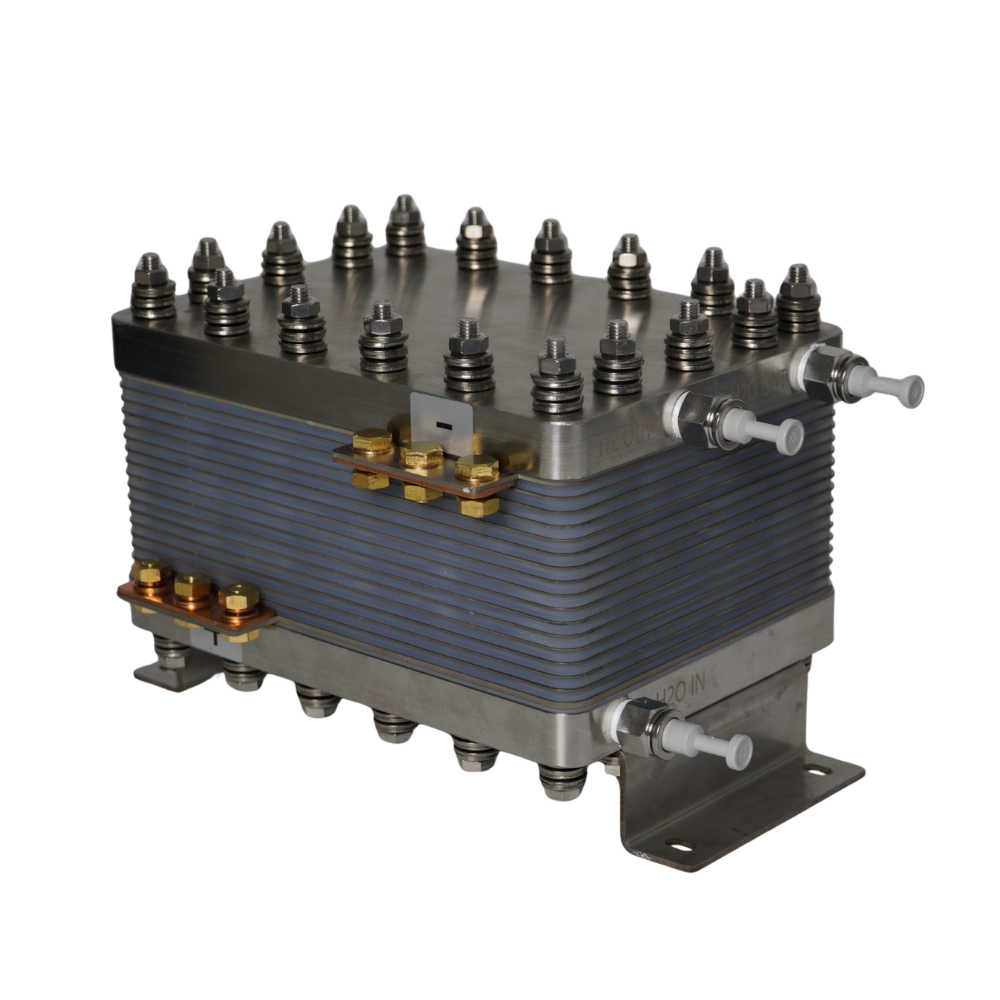
Electrolyser assembly
Monitoring background — January 2023
Monitoring context for heavy assets
This site explores emissions and fuel-use evaluation for heavy-duty assets. The NerdSpanner emissions calculation tool reference is historical; the framework below describes possible evaluation areas with Senza technology externally attributed.
Measurement & Data Context
Site-level monitoring areas for fuel use, activity, operating conditions and emissions-related inputs, subject to confirmed data sources and methodology.
Fuel-Efficiency Evaluation
Review of operational variation and fuel-use patterns to help identify questions worth investigating. No savings outcome is implied or guaranteed.
Emissions Reporting Inputs
Emissions-related inputs for internal analysis or reporting workflows, subject to agreed boundaries, calculation methods and data quality checks.
Operational Visibility
Asset and fleet visibility for reviewing how equipment is being used, without representing a current live fleet-management service.
Fuel context
Fuel use belongs in the operating picture
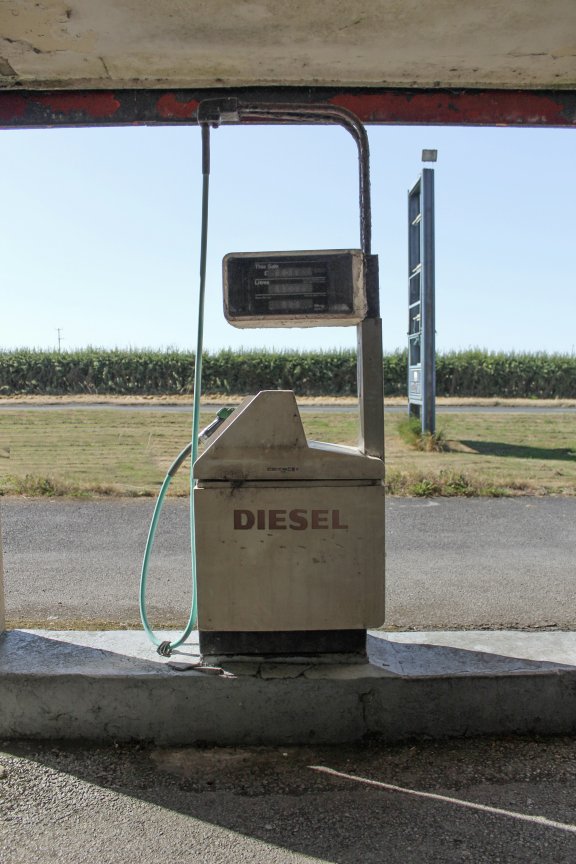
Diesel fuel is one of the operating inputs considered alongside route conditions, load, duty cycle and available data.
Evaluation workflow
From Readings to Better Questions (Conceptual Framework)
Capture contextGather agreed operational and emissions-related inputs.
Make patterns visibleOrganise information into a reviewable operational picture.
Focus investigationIdentify variations or questions for technical review.
Review and refineUse confirmed evidence to inform next steps.
Heavy-asset applications, deployments and outcomes require project-specific definition.
Senza Technology Pathway
H2Zero is evaluating how Senza Hydrogen Australia's PEM-electrolyser products may fit within augmentation and monitoring pathways. Product suitability, installation requirements, energy balance, performance, compliance and outcomes remain subject to project-specific assessment and confirmation.
01 Technology context02 System integration03 Evidence review
NerdSpanner
External technology pathway
NerdSpanner telemetry and monitoring
NerdSpanner is identified as a technology provider for telemetry, monitoring and IT-support pathways. H2Zero is exploring how such tooling may inform project-specific evaluation and implementation work; scope, availability and outcomes require confirmation.
External Attribution Boundary: This website does not represent partnership, endorsement, or product performance claims. NerdSpanner is referenced only as an externally-attributed technology pathway under exploration.